
Budapest districts — Buda
The districts of Buda in 2026: where to live, rent and buy — and what it costs
Data as of October 2026. Prices are median asking prices (requested by sellers) for Q2 2026; actual transaction prices are usually slightly lower. Conversion to euros at about HUF 366 per €1. Read also: Budapest districts — Pest.
If Pest is the business and entertainment centre of Budapest, Buda is its green, hilly and calmer side. There is less tourist noise, more parks and forests, and many apartments have views of the Danube and the Parliament.
Buda is chosen by families with children, people who work from home and anyone who values quiet and nature within the city. At the same time, central Pest is only 10–20 minutes away by tram or metro.
Buda is diverse: from the historic Castle District and prestigious Rózsadomb to Óbuda with its Roman ruins, student Újbuda and almost suburban Budafok.
District I — Várnegyed (Castle District)
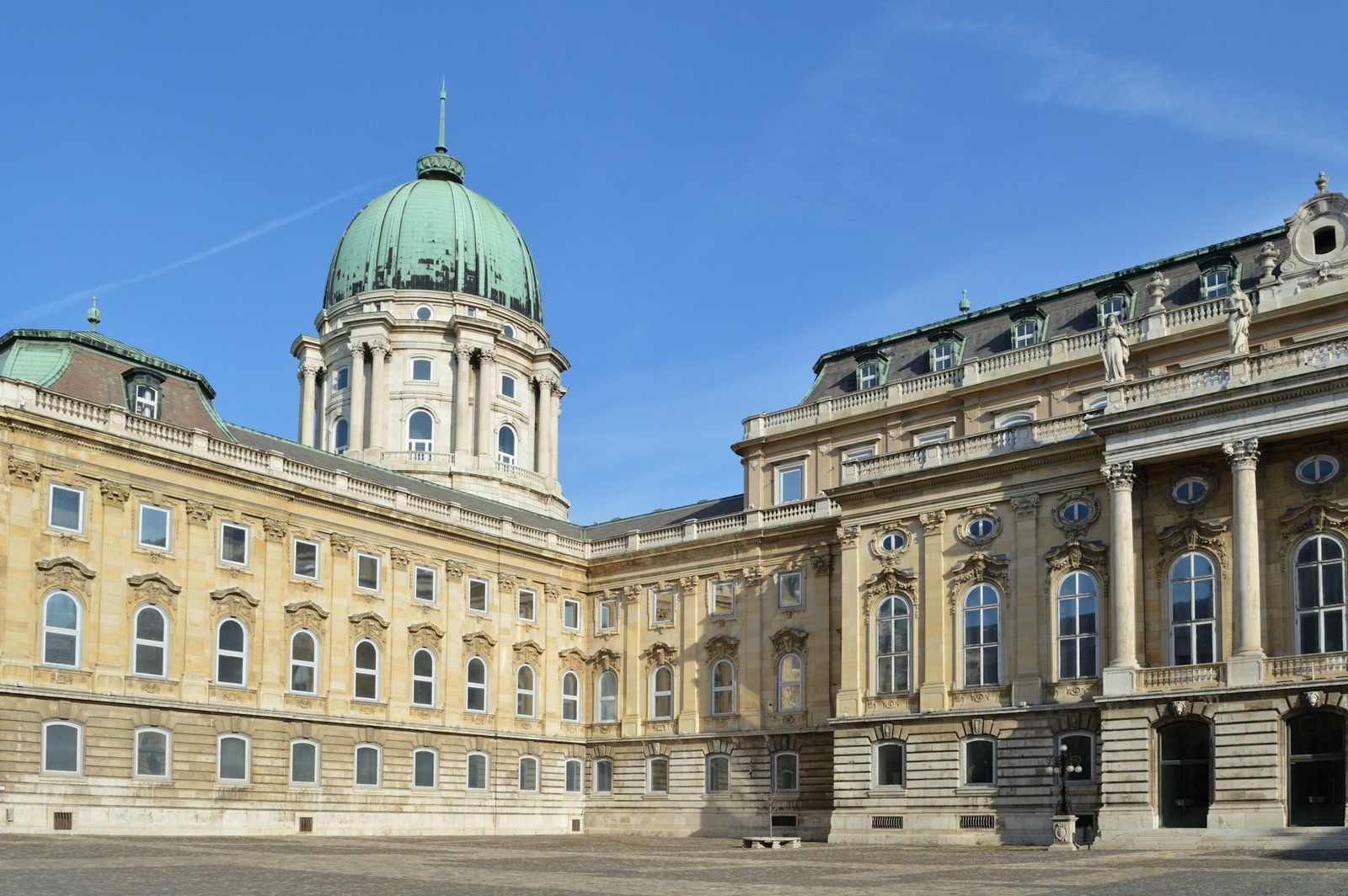
District I is the historic heart of Buda: Buda Castle, the Royal Palace, Fisherman’s Bastion and Matthias Church. Besides Castle Hill itself, the district includes Víziváros (Watertown) on the slope down to the Danube, Tabán and Krisztinaváros.
There are few apartments here, many buildings are listed monuments, and car traffic on the hill is restricted. So housing in District I is rare: apartments with views of the Danube and the Parliament in Víziváros and the quiet streets of Krisztinaváros are especially valued.
What is happening. Under the Hauszmann programme, historic buildings of the Castle have been restored in recent years. The move of the National Gallery from the palace to City Park (Városliget) has been cancelled: in June 2026 the government announced that the site reserved for the new gallery will become a park. Where the gallery will be housed — in another building of the Castle or in a new modern building — has not yet been decided.
Median asking price (Q2 2026): ≈ HUF 1,720,000/m² — about €4,700/m²
District II — Rózsadomb and the green quarters
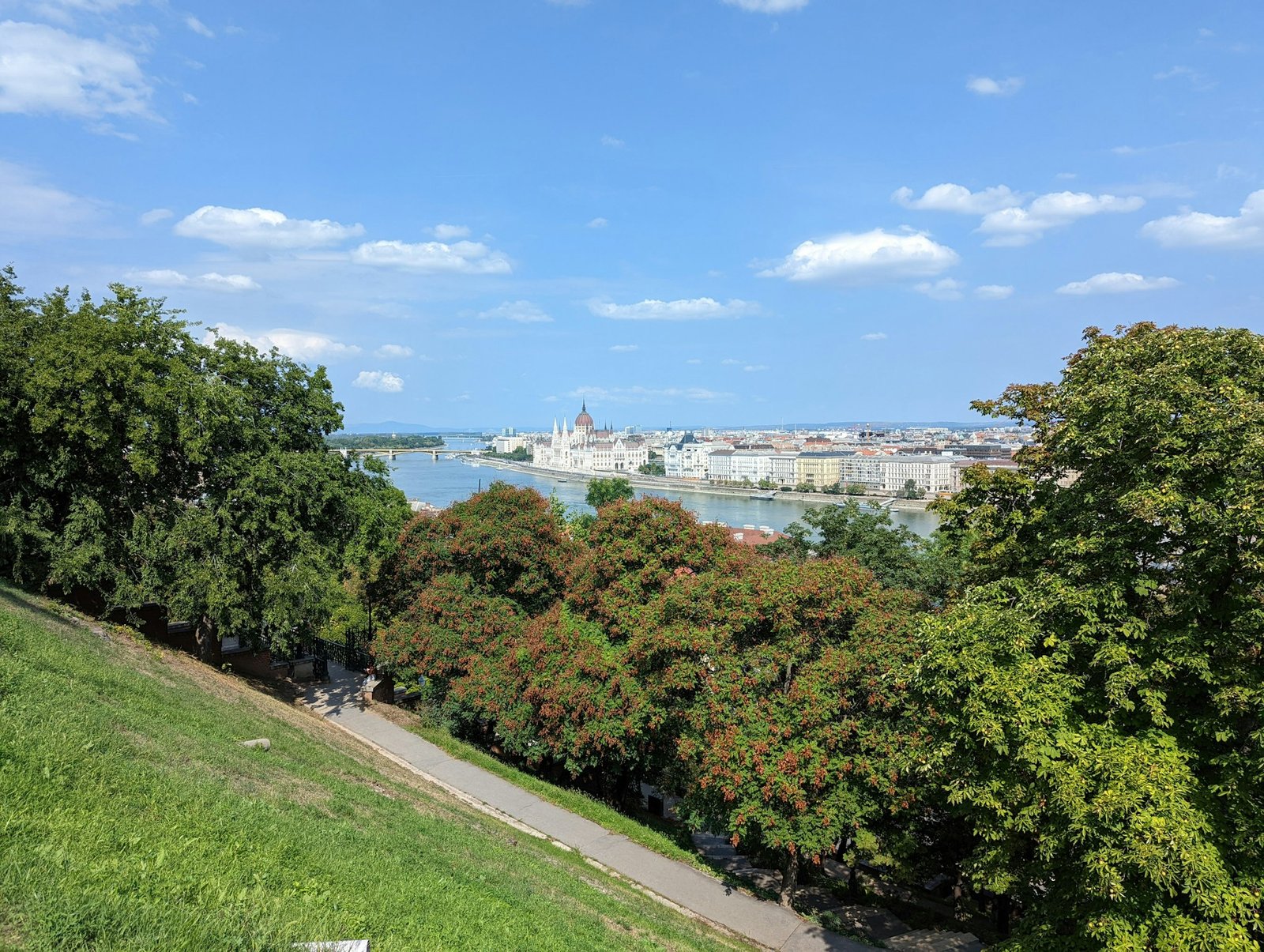
District II is one of the most prestigious in Budapest. Rózsadomb, Pasarét, Hűvösvölgy and Udvarnok mean villas, low-rise houses, quiet green streets and many good schools, including international ones.
The lower part of the district around Széll Kálmán tér and Margit körút is more urban, with convenient transport to the centre. The higher up the hill, the greener it gets and the more expensive the square metre.
What is happening. Széll Kálmán tér, Buda’s main transport hub, is set to get greener: under a residents’ project HUF 120 million has been allocated to it — more trees, shade and green stops. A consultation with residents took place in February 2026, and designs were promised for the summer.
Median asking price (Q2 2026): ≈ HUF 1,630,000/m² — about €4,450/m²
District III — Óbuda
Óbuda is the oldest part of the city: the Roman town of Aquincum stood here, and cosy Old Óbuda with Fő tér has kept the atmosphere of a small town. Along the Danube runs the Római-part with restaurants and boat houses, and the Sziget festival takes place on Hajógyári Island.
The housing is mixed: the old centre, large prefab estates and many new residential complexes by the river. That is why Óbuda is one of the most affordable parts of Buda with good transport links.
What is happening.
- The K Bridge (K-híd) to Hajógyári Island is closed for repairs from autumn 2026 to the end of 2027; until June 2027 it is fully closed to cars.
- The HÉV H5 suburban railway (Szentendre — Batthyány tér) will be fully renewed by the end of 2030: new trains (delivered by the end of 2029) and renovated, accessible stations. During the works the line will be closed for about a year and a half, with replacement buses.
- Hajógyári Island (Óbudai-sziget): a large cultural and events complex with a concert hall, a riverside stage and a “Museum of Light” is being created in former industrial buildings in the south of the island.
- Római-part: in 2025 the city assembly approved the construction of a mobile flood barrier over 3 km long; the project is controversial among residents.
Median asking price (Q2 2026): ≈ HUF 1,280,000/m² — about €3,500/m²
District XI — Újbuda
Újbuda is the most populous district of Buda and its university centre: the Technical University (BME), ELTE campuses and Bartók Béla út with galleries and cafés. Nearby are Gellért Hill, Lake Feneketlen and the park at Kopaszi-gát on the Danube.
Kelenföld is a major transport hub: the M4 metro, the railway, buses to the suburbs and the Etele Plaza shopping centre. This makes the district convenient for living and for renting out apartments to students and young professionals.
What is happening. The new BudaPart neighbourhood keeps growing on the Danube bank at Kopaszi-gát — in 2025 the tenth residential building with 226 apartments was under construction next to a park of over 7,000 m². And in July 2026 the district approved a controversial project by Lake Feneketlen: 140 apartments in three buildings on the site of the former MSZP headquarters — after residents’ protests, the height was limited and the share of greenery increased.
Median asking price (Q2 2026): ≈ HUF 1,450,000/m² — about €3,950/m²
District XII — Hegyvidék
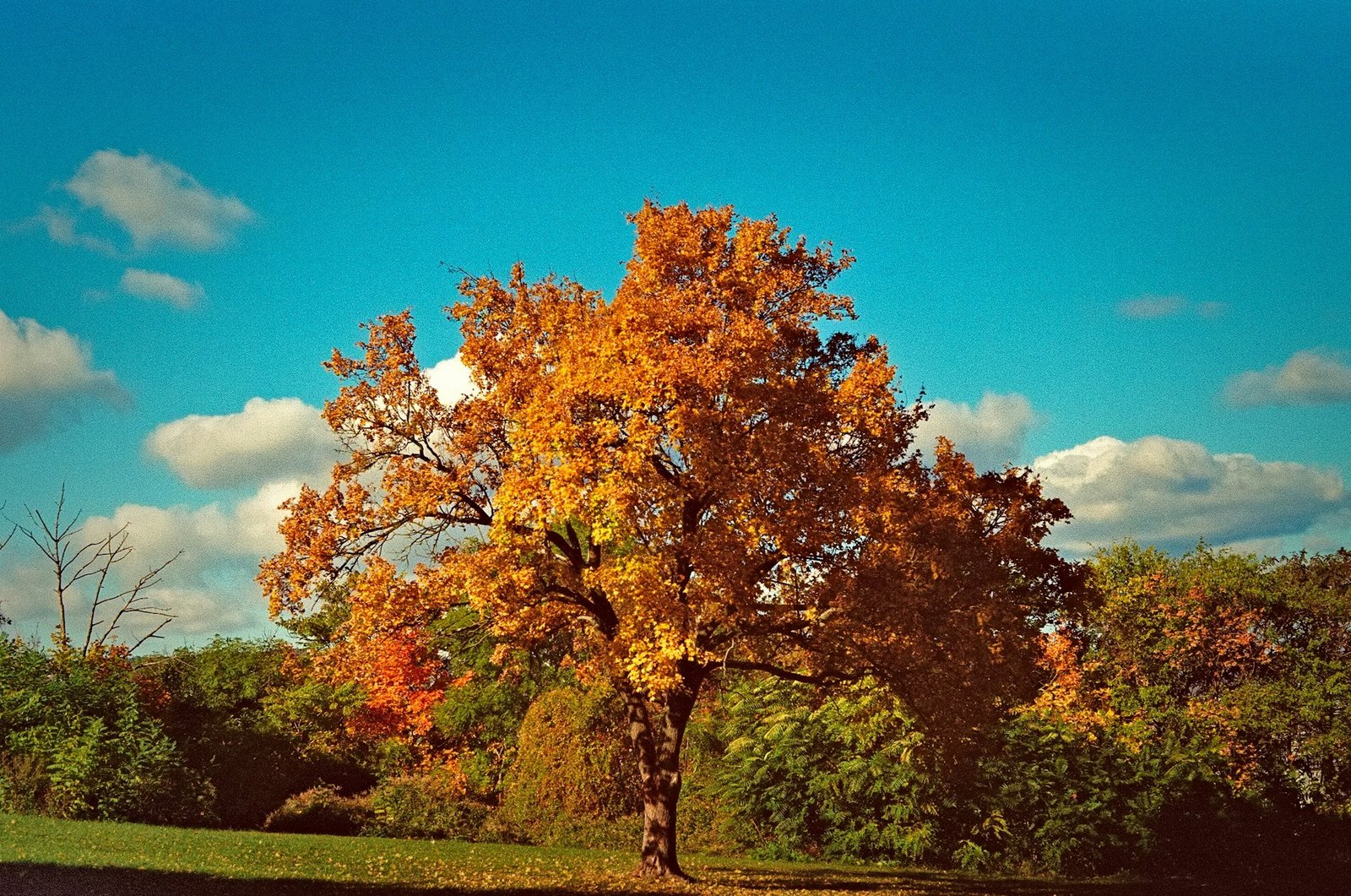
Hegyvidék is the most expensive district of Buda and one of the most expensive in the city. It means the Svábhegy, Orbánhegy and Farkasrét hills, villas, pine forests and Normafa — a favourite place for walks, ski runs in winter and picnics in summer. The air here is noticeably cleaner than in the centre.
People move here for nature and quiet, yet Széll Kálmán tér is only a few stops away by tram or bus.
What is happening. Extending the cogwheel railway (fogaskerekű) to Széll Kálmán tér and to Normafa has been discussed for a long time: permits and designs have been ready since 2021, but construction has never started, and experts believe a major overhaul of the line is overdue.
Median asking price (Q2 2026): ≈ HUF 1,850,000/m² — about €5,050/m²
District XXII — Budafok-Tétény
The southernmost district of Buda is almost a suburb: private houses with gardens, quiet streets and the famous wine cellars of Budafok. It is the most affordable part of Buda, chosen by those who want a house of their own and do not mind the commute to the centre.
Median asking price (Q2 2026): ≈ HUF 1,110,000/m² — about €3,020/m²
Buda is an excellent choice for those who want to live in Budapest but surrounded by greenery and quiet. Prices here are on average higher than in Pest, but so is the quality of the environment: parks, forests, Danube views and calm streets.
Sources
- Instant Ingatlanérték — prices by Budapest district, Q2 2026
- Telex — the government has not yet decided the fate of the National Gallery (June 2026)
- Enbudapestem — renewal of Széll Kálmán tér (January 2026)
- ATV — repair of the K Bridge in Óbuda (October 2026)
- Szentendre.hu — renewal of HÉV H5 by 2030 (February 2026)
- Magyar Építők — events complex on Hajógyári Island (2025)
- Hely.hu — decision on the flood barrier at Római-part (March 2025)
- Magyar Építők — new building in the BudaPart neighbourhood (2025)
- Infostart — development by Lake Feneketlen (July 2026)
- Metropol — the fate of the cogwheel railway (April 2026)
Choosing a district in Buda?
We will tell you which district suits you, find an apartment or house, check the documents and guide you through the purchase or rental.

Support for expats in Hungary: residence permits, business, real estate and everyday life.
© 2026 Hungary Expat. All rights reserved.